



.png)

.png)

-01.png)
SUPPORTED BY


UNDER THE PATRONAGE OF




Grand Hotel Quisisana - Room Teatro
September 15th, 2026
9:00-13:00 CET
Click here to check the complete program of our plenary session.
Hydrogen at the Research Frontier:
Innovations and Emerging Breakthroughs
Hydrogen is a central pillar of the energy transition, with a growing role in industrial decarbonisation, clean transport, energy system integration, and long-term energy diversity, resilience, and security. Across Europe and beyond, major public and private efforts are being deployed to accelerate the market uptake of hydrogen technologies. However, the strength and durability of this transition will ultimately depend upon research and innovation to address unresolved challenges and to open up new technological pathways.
Important progress is still required in areas such as efficiency, durability, cost competitiveness, materials sustainability, system flexibility, manufacturability, infrastructure development, and integration into real operating systems and environments. At the same time, emerging scientific and technological advances are creating new opportunities in hydrogen production, conversion, storage, transport, digitalisation, intelligent system management, and advanced materials and components.
In this context, the EFCH2 2026 plenary session brings together key representatives of leading research, industrial, policy and innovation frameworks shaping the hydrogen landscape in Europe and internationally.
The objective of the plenary session is to discuss where the real hydrogen research frontier lies today, which innovation priorities are emerging as most relevant for the years ahead, and how research, industry, public strategies,infrastructure development and international cooperation can work together to accelerate impact. By combining European and global perspectives, the plenary will offer a forward-looking reflection on the breakthroughs, priorities and collaborative directions that may define the next phase of hydrogen and fuelcells in a clean energy economy.
Click here for the complete program of our plenary session.
Head of Unit of Operations and Communication of the Clean Hydrogen Partnership
.jpeg)
Mirela Atanasiu is the Head of Unit of Operations and Communication of the Clean Hydrogen Partnership since 2016 (which has taken over the predecessor Fuel Cells and Hydrogen Joint Undertaking, FCH JU), a Public-Private Partnership between European Commission and the European Industry (Hydrogen Europe) and Research Community (Hydrogen Europe Research). Until June 2024 and for over a year, she has also acted as interim-Executive Director, ensuring the kick-start of new JU activities and continuity of the partnership.
Previously, for more than 12 years she was a Senior Project Manager and Research Programme Officer in the Joint Undertaking and European Commission (Directorate Research and Innovation/Energy), following on a background experience as researcher in the Energy sector in Romania.
She holds an M.Sc. in Chemical Engineering/Materials Science and an M.Sc. in Economics/Cybernetics and Economic Analysis.
Senior Vice President of R&D for
Nel Hydrogen US
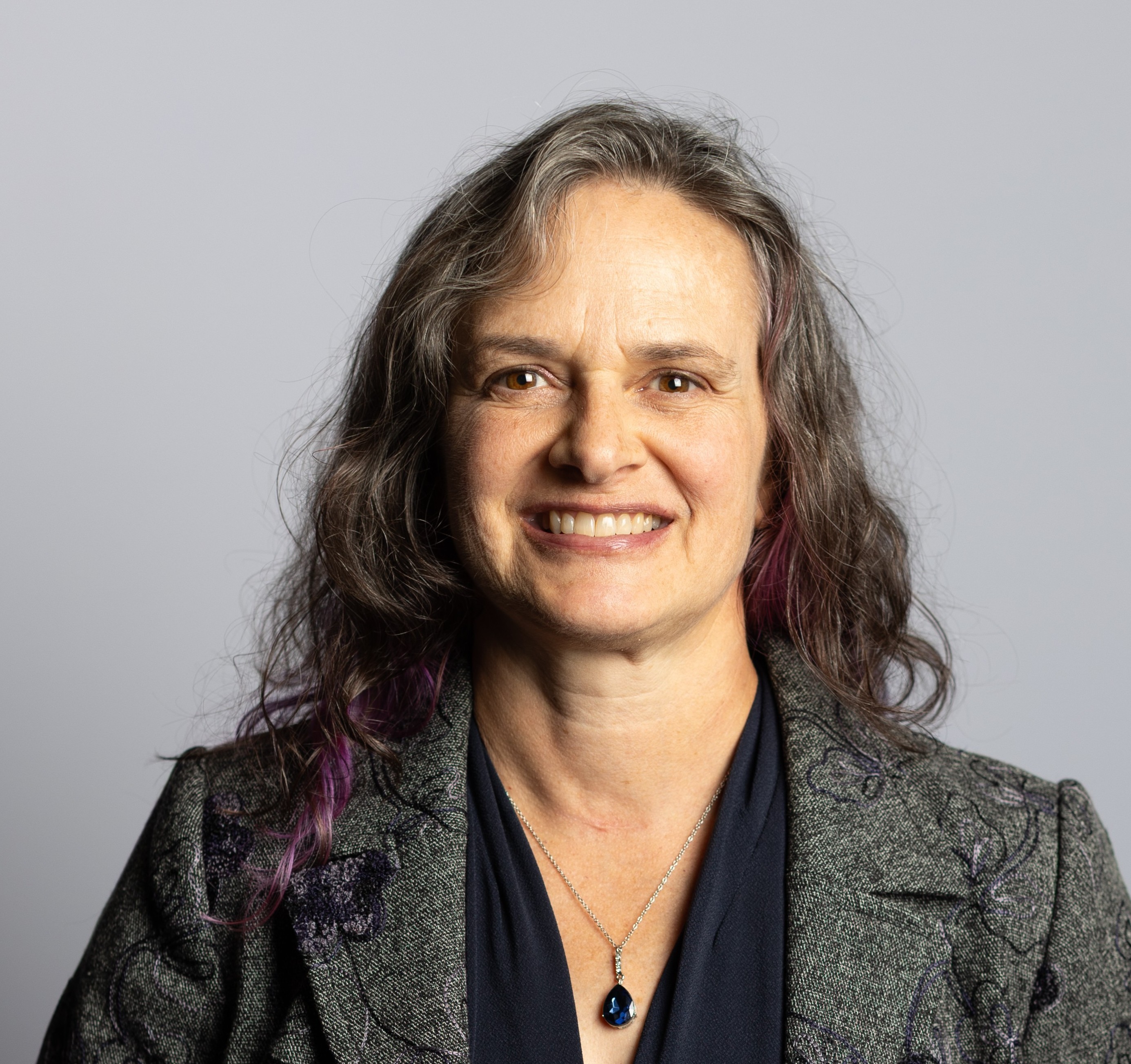
Dr. Katherine Ayers is Senior Vice President of R&D for Nel Hydrogen US, focused on onsite hydrogen generation via water electrolysis. Her technical expertise spans multiple electrochemical devices including batteries, fuelcells/electrolyzers, and solar cells. Dr. Ayers previously spent several years at Energizer Battery Company, with responsibility for strategic materials direction, diagnosis of polarization losses and low battery service, and fundamental insight on other production issues. She has been with Nel since 2007 and leadsthe R&D group, with responsibility for developing and executing Nel’stechnology strategy. She manages a broad portfolio of internally and externally funded research projects, across a range of collaborators in academia, industry, and National Labs. Her team is also responsible for supporting the electrolyzer cell stack product, launching new designs and supporting existing designs.
Dr. Ayers’ expertise has been widely recognized in the advisory roles she has been asked to fill. She served on the Scientific Advisory board for several years for the Joint Center for Artificial Photosynthesis (JCAP), established in 2010 as an Energy Innovation Hub funded by the U.S. Department of Energy. She has also served on the scientific advisory boards for multiple Energy Frontier Research Centers and similar consortia, including the Center for Molecular Electrochemistry and the Chemical Transformations Initiative at PNNL. She has participated in several expert panels including a National Academy of Sciences roundtable on utilization of carbon waste streams, and served on two Federal level advisory committees for DOE: HTAC (Hydrogenand Fuel Cells Technical Advisory Committee, 2015-19) for the Office of Energy Efficiency and Renewable Energy, and BESAC (Basic Energy Sciences Advisory Committee, 2019-present) for the Office of Science. Dr. Ayers received the 2012 R&D Awardfrom the DOE Hydrogen Production Team, for Outstanding Contributions to Hydrogen Production by PEM Electrolysis, and an American Chemical Society Women Chemists Committee 2014 Rising Stars Award. She also received a Fuel Cell Seminar Program Award in 2015.
Dr.Ayers received her bachelor’s degree in Chemistry/Chemical physics at UC San Diego. As an undergraduate, she was awarded a Barry M. Goldwater scholarship, and received the Urey Award as the top chemistry graduate in her class. She attended Caltech on an NSF Graduate Fellowship and earned her Ph.D. in chemistry under the direction of Professor Nathan Lewis.
Professor of Mechanical & Aerospace Engineering, Civil & Environmental Engineering;
Director of National Fuel Cell Research Center, Advanced Power and Energy Program

Jack Brouwer’s research focuses upon high-temperature electrochemical dynamics and integrated renewable energy systems including fuel cells, electrolyzers, batteries, gas turbines, and solar and wind power.
Brouwer is recognized for research and development of the world’s first integrated hybrid solid oxide fuel cell gas turbine system, the world’s first renewable high temperature fuel cell system for tri-generation of hydrogen, heat, and power, the world’s first direct DC powering of data center servers with a fuel cell, and the U.S. first renewable power-to-gas hydrogen injection into the natural gas system and subsequent conversion to decarbonized electricity in a combined cycle power plant.
Brouwer received his Ph.D. in mechanical engineering from the Massachusetts Institute of Technology in 1993. From 1993 to 1997, he served as a research assistant professor at the University of Utah and was a member of the technical staff at Reaction Engineering International.
He came to UC Irvine in 1997 as associate director of the National Fuel Cell Research Center (NFCRC), concurrently holding appointments as lecturer, assistant and then associate adjunct professor. He was named assistant professor in the summer of 2011 and became full professor in the summer of 2017.
Hydrogen Europe Research / President
Fondazione Bruno Kessler / Director of the Center for Sustainable Energy
Italian Hydrogen Association / Vice President
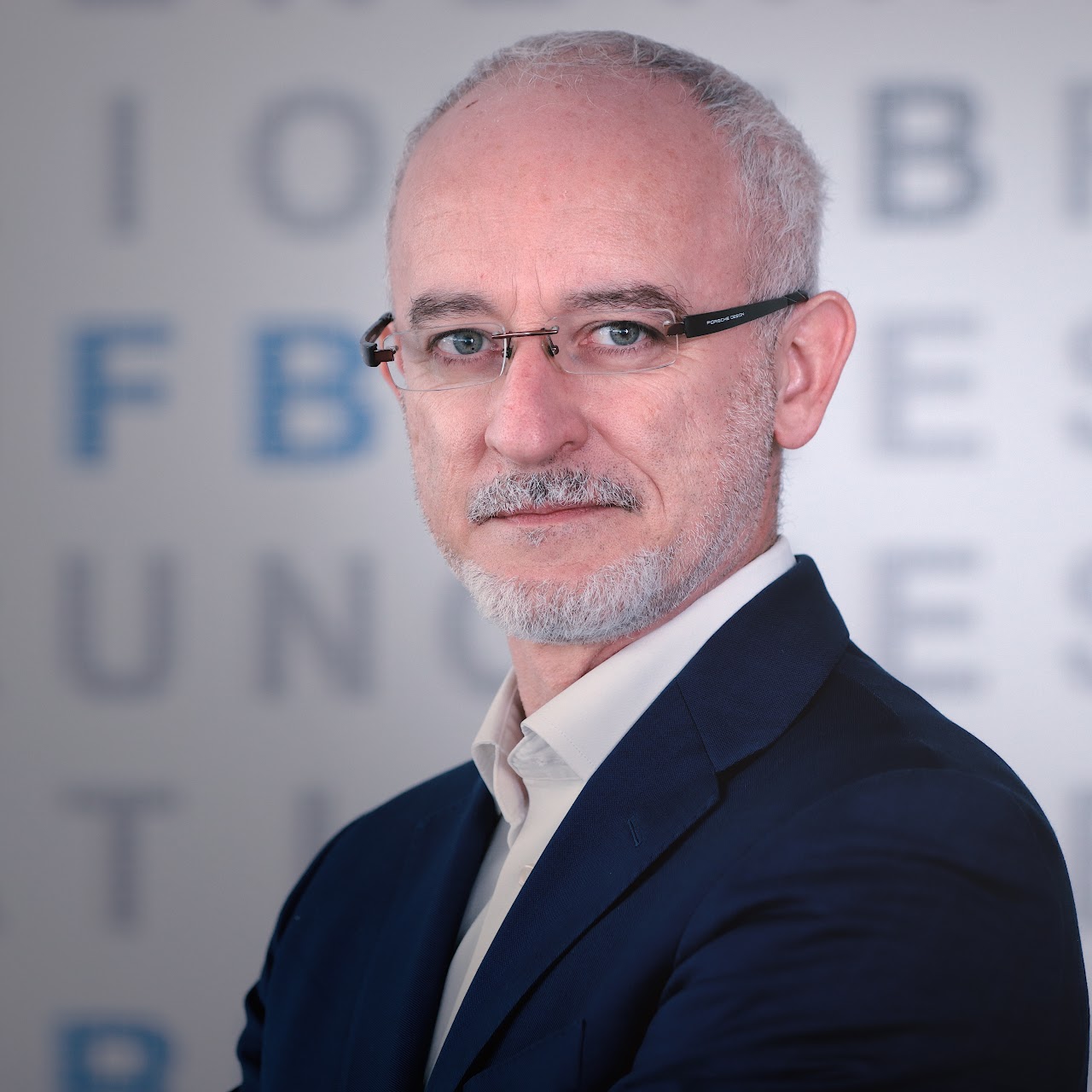
Luigi Crema is the director of the Center for Sustainable Energy at Fondazione Bruno Kessler, in Trento. A physicist, he deals with issues connected with energy transition and the development of technology solutions for hydrogen and batteries, the two main pillars of the Center with about 60 between researchers, innovators, and technicians. He is involved in 2 IPCEI projects, on batteries in EuBatIn and on hydrogen technologies in Hy2Tech, with the ongoing realization of a technology infrastructure of industrial relevance in Rovereto, close by Trento, in the Hydrogen Pole of the Province of Trento.
He is President of Hydrogen Europe Research giving support to the realization and implementation of the programme of the Clean Hydrogen Partnership as a member of the Governing Board together with European Commission and Hydrogen Europe industry.
He is the vice-president of the Italian Hydrogen Association, supporting the role of hydrogen at the national scale and through the engagement of national institutions.
Among other roles, he is a founder and a member of the National Academy of Engineering and Technology and involved in the BEPA, the European Battery Partnership.
For over twenty years, he has been involved in innovation between research and the industrial sector, with experience on how to transform development areas into viable solutions and economic value. He supported the creation and growth of Start-up such as Green Energy Storage, where he is a member of the scientific committee,and Unitec. He was involved in more than 40 project initiatives on the energy sector and in more than 100 scientific papers.
Senior Director Hydrogen and Ammonia Department
NEDO (New Energy and Industrial Technology Development Organization)
Daishu Hara is Senior Director of the Hydrogen and Ammonia Department at NEDO, Japan’s national R&D funding agency.
He has held leadership positions in hydrogen, fuel cell, battery, electrochemistry, and advanced materials programs.
He also served overseas in NEDO’s Jakarta and Washington, D.C. offices, where he promoted international R&D collaboration and technology partnerships across Asia and North America.
In addition, he was an adjunct lecturer at Tohoku University in Japan.
He holds a Ph.D. in Engineering from the Institute of Science Tokyo, specializing in electrochemistry
Director of Snam Research and Technology Center

Pere Margalef holds an MSc and a PhD in Mechanical and Aerospace engineering from the University of California Irvine,where he worked as a student researcher from 2005 to 2011. His PhD dissertation topic was on the tri-generation of electricity, heat and hydrogen with high-temperature fuel cells with Professor Scott Samuelsen and Professor Jack Brouwer.
In 2012, Pere joined FuelCell Energy (FCE) to push advanced technologies to market. Among his greatest successes is the development of the Port of Long Beach Tri-Gen Toyota project, which generates 2.3 MW of power, 1,200 kg/day of green hydrogen, heat and water from biogas.
In 2016, Pere returned to his native Spain as Vice President of Business Development Europe to develop FCE’s European market strategy for fuel cells, electrolyzers, biogasreformer/electrolyzers and carbon capture technologies.
In 2021, Pere joined Snam to build an ecosystem to perform advanced research, development and innovation in hydrogen technologies. Pere and his team of talented engineers and scientists have: (1) established Snam’s Research and Technology Center (RTC), a global network of universities and research centers through which Snam is developing and advancing disruptive technologies; (2) built Snam’s Decarbonization Sandbox Program (DSP) to test and demonstrate hydrogen technologies at operational environments; (3) created the HyAccelerator, the first corporate program to accelerate innovative startups within the decarbonization space (i.e., hydrogen, CCSU and LDES).
Pere is also a Governing Board member of the Clean Hydrogen Partnership, Chair of the Technical Committees and TC2 Leader of Hydrogen Europe.
Deputy Director for hydrogen technologies at CEA
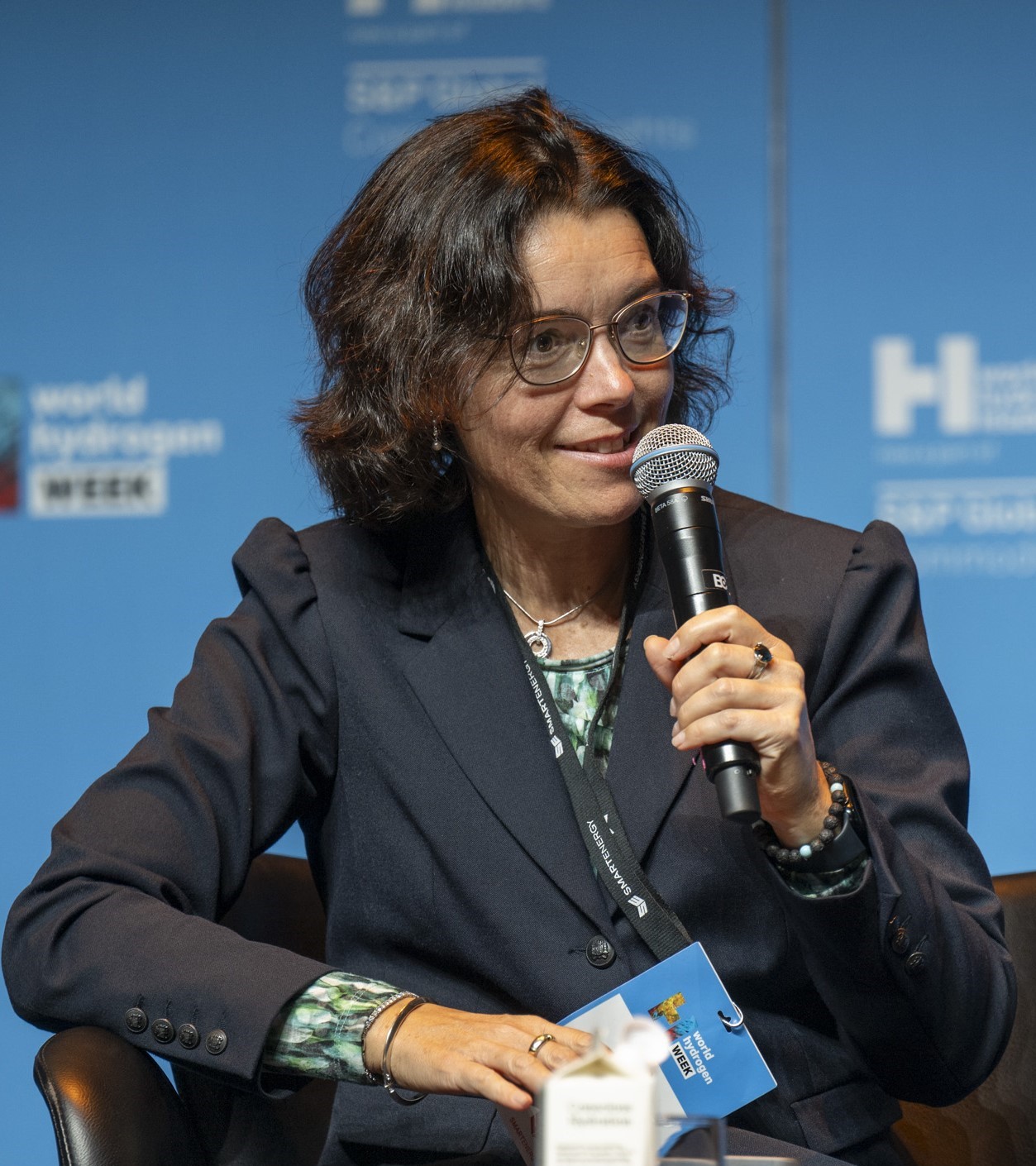
Dr. Julie MOUGIN is Deputy Director for hydrogen technologies at CEA since 2023, in charge of H2 production, storage and fuel cells. She is also board member of Hydrogen Europe Research and of France Hydrogene, Chair of OECD NEA H2-Val Working group and co-chair of the H2 Implementation Working Group of the Set Plan.
Graduated from Grenoble Institute of Technology in Electrochemistry, she obtained a PhD in Materials Science and began her carrier in industry in the field of materials for energy and automotive.
She has been working in the field of H2 for 21 years at CEA, first as a researcher and afterwards as head of laboratory and department, and supervising techno-economic and life-cycle assessment activities for new energies technologies. She is coordinator of several EU projects, contributes to EU roadmaps, review of national H2 programs, and standards. Julie Mougin is author/co-author of more than 65 peer-reviewed papers (180 in total), 5 book chapters and 9 patents (H-index 28).
Director of Clean Hydrogen Mission of Mission Innovation.
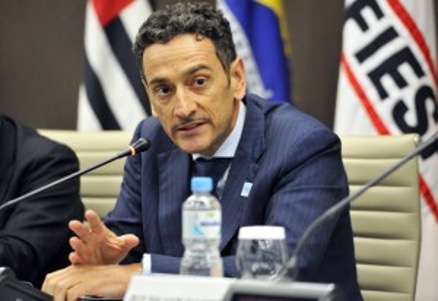
Piero Venturi has worked for nearly 20 years for the European Commission in food, agriculture, bioeconomy; energy and international cooperation with a focus on Latin America and Africa.
He was Science Counsellor of the European Union for African Union and Africa in the EU Delegation to AU in Addis Ababa and, before, for Brazil and Latin America in the EU Delegation to Brazil.
In these positions he was responsible for the policy framework for R&I cooperation with stakeholders and Member States in Africa and Latin America.Then, he has been G7 and G20 EU Sherpa and responsible for the EU network of Science Counsellors.
Before joining the European Commission, he was a lecturer at the University of Bologna in Italy.He holds a PhD in Agricultural Engineering from the University of Bologna and researched at Polytechnic University of Madrid (Spain) and Wageningen Agricultural University (the Netherlands). He published more than 80 articles on scientific journals.
At present he is the Director of Clean Hydrogen Mission of Mission Innovation.